Vocational Trainer
A specialized learning path for certified CPT and CFT trainers seeking to advance their expertise in sports nutrition, posture, movement, and sports rehabilitation.
+7
EGP 9,999
EGP 15,399
About path
The learning path combines the application of anatomy and kinesiology with an understanding of movement dysfunction, postural deviations, postural assessment, physical measurements, and range of motion. It progresses to the study of joint stability mechanisms, muscular balance, muscle activation techniques, corrective and rehabilitation exercises, and the design of fitness and strength programs for sports rehabilitation. It also covers training principles, training load management, and modern rehabilitation strategies.
The nutrition component covers sports nutrition and food science fundamentals, calorie calculation and distribution, different dietary approaches, intermittent fasting, and nutrition for athletes. It also explores body composition analysis, measurements and laboratory tests, dietary supplements, nutrition in diabetes management and recovery, underweight conditions, and hormonal balance in women.
The learning path aims to equip trainers with scientific knowledge and practical skills to better understand their clients' needs, assess factors related to movement performance, fitness, and nutrition, and select appropriate training and nutritional guidance strategies within their professional scope of practice.
What Will You Learn?
1. Posture, Movement, and Sports Rehabilitation
Apply anatomy and kinesiology principles and understand movement dysfunction and the foundations of corrective exercises.
Conduct postural assessments and physical measurements and evaluate range of motion.
Identify types of functional dysfunction and sports injuries.
Understand shoulder and pelvic girdle stability mechanisms and learn rehabilitation exercises for shoulder injuries.
Analyze pelvic deviations and their relationship to walking and running mechanics, and develop muscular balance in the pelvic girdle.
Apply myofascial sling exercises and understand flat feet, foot arch stability, and knee and ankle joint stabilization exercises.
Study muscle activation techniques, methods of developing muscular strength, and the strength pyramid.
Understand training principles, training load variables, and training load regulation.
Design fitness and strength programs for sports rehabilitation and explore modern rehabilitation strategies.
Apply the fundamental principles of designing rehabilitation and postural correction programs.
2. Sports Nutrition and Food Science
Understand nutrition and food science terminology and the fundamentals of sports nutrition.
Calculate and distribute calories according to nutritional needs and individual goals.
Explore different dietary approaches, intermittent fasting, and the seven key food groups.
Understand the components of athletes' meals and their nutritional requirements.
Learn about medications and dietary supplements and their uses.
Understand the role of nutrition in diabetes management and supporting recovery.
Conduct measurements, understand laboratory tests, and analyze body composition.
Explore nutritional considerations related to underweight conditions and hormonal balance in women.
Path content
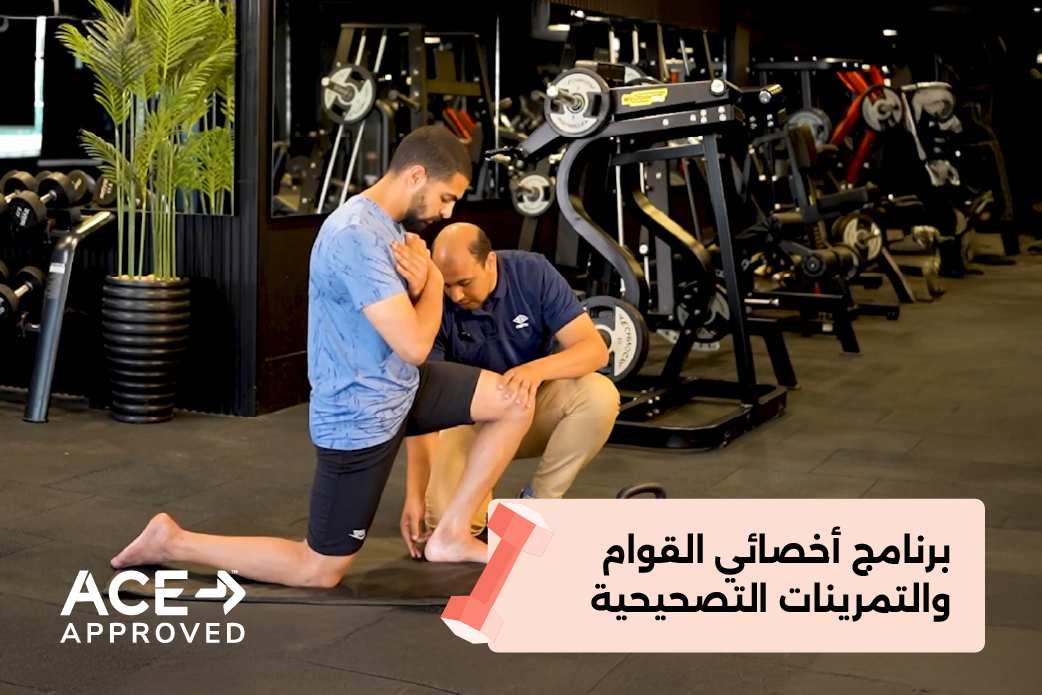
Posture Correction Specialist
This program provides comprehensive theoretical and practical preparation in posture assessment, movement analysis, and corrective exercise design. It covers functional anatomy and kinesiology, as well as the principles of postural control, muscle balance, and movement dysfunction. The program also explores methods of assessing posture, range of motion, and physical measurements; analyzing movement patterns; and identifying functional imbalances. In addition, it includes practical applications of core, pelvic, and shoulder girdle stabilization exercises, joint mobility improvement, and muscle balance training. Participants will also study selected sports injuries, rehabilitation strategies, and the principles of training program design and load regulation. This program aims to equip participants with the knowledge and practical skills needed to assess movement and develop corrective exercise programs tailored to individual needs.
What Will You Learn?
- Understand functional anatomy and kinesiology, including the structure and functions of bones, joints, and muscles, and analyze the movements of different joints and muscle groups.
- Understand the phases of human movement, explore muscle contraction quality and the mechanisms of muscle activation and balance, and learn the fundamentals of appropriate exercise selection.
- Develop skills in posture assessment and client needs analysis, collect relevant health history information, and select appropriate assessment tests for each individual.
- Apply movement assessment tests, including the Overhead Squat Test, Rotary Stability Tests, the Thomas Test, and assessments of movement patterns and postural control.
- Explore body composition measurement tools and methods, such as InBody, Skinfold Calipers, and measuring tape, in addition to assessing flexibility, strength, muscular endurance, and cardiorespiratory fitness.
- Understand movement and functional dysfunctions in different areas of the body, and identify selected muscular and joint injuries and dysfunctions associated with the spine, shoulder, lower back, and knee.
- Study Range of Motion (ROM) and its assessment methods, and understand its relationship with good posture and movement efficiency.
- Understand the stabilization mechanisms of the shoulder and pelvic girdles, explore the role of muscles and joints in achieving movement stability, and improve walking and running mechanics.
- Apply exercises to improve shoulder girdle function, including scapular stability, serratus anterior activation, rotator cuff exercises, and I.T.Y.W. exercises.
- Develop skills in designing muscle balance and pelvic stability exercises, and understand the relationship between the core, gluteal muscles, and hip flexors during movement.
- Apply core stability and anti-rotation exercises, Lumbo-Pelvic-Hip Stabilization techniques, and exercises to improve hip mobility.
- Explore the applications of fascia and Myofascial Slings, and use related exercises to support flexibility, stability, and movement balance.
- Understand foot anatomy and arch stability, identify foot arch deviations and excessive medial pronation, and apply exercises to improve knee and ankle joint mobility and stability.
- Explore different muscle activation methods, including isometric and eccentric contractions, neuromuscular activation, and Post-Activation Potentiation (PAP).
- Understand training principles and load regulation, including variables such as intensity, volume, repetitions, sets, rest intervals, training frequency, and recovery.
- Study the fundamentals of rehabilitation and corrective exercise program design, explore the essential principles of program development, and learn how to develop muscular strength and select exercises according to individual goals and needs.
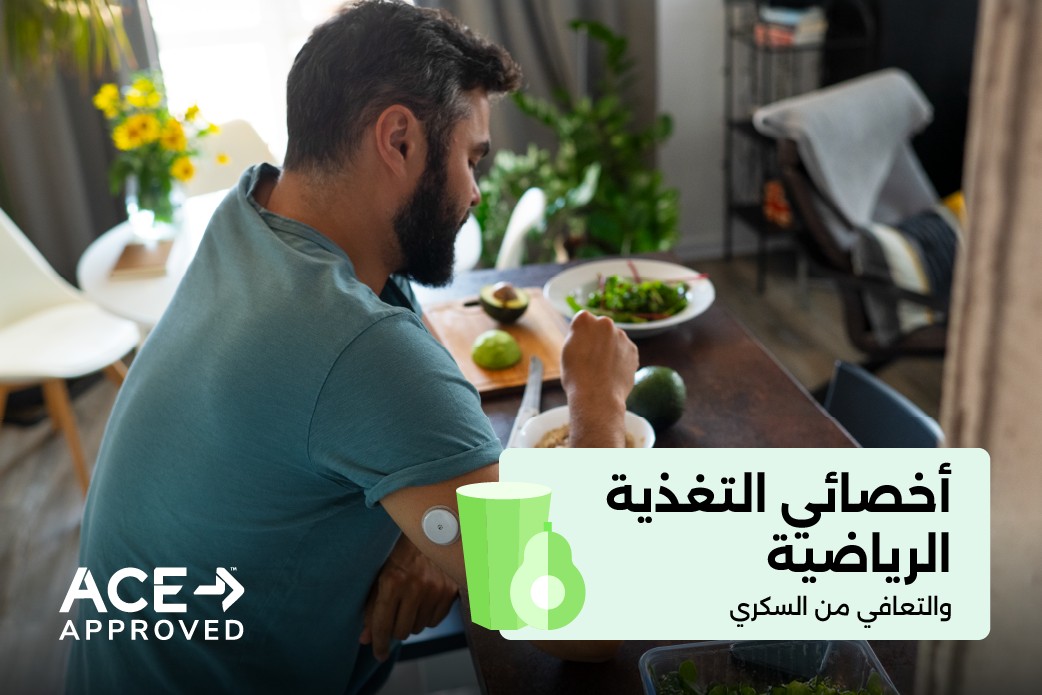
Diabetes and fitness nutrition specialist
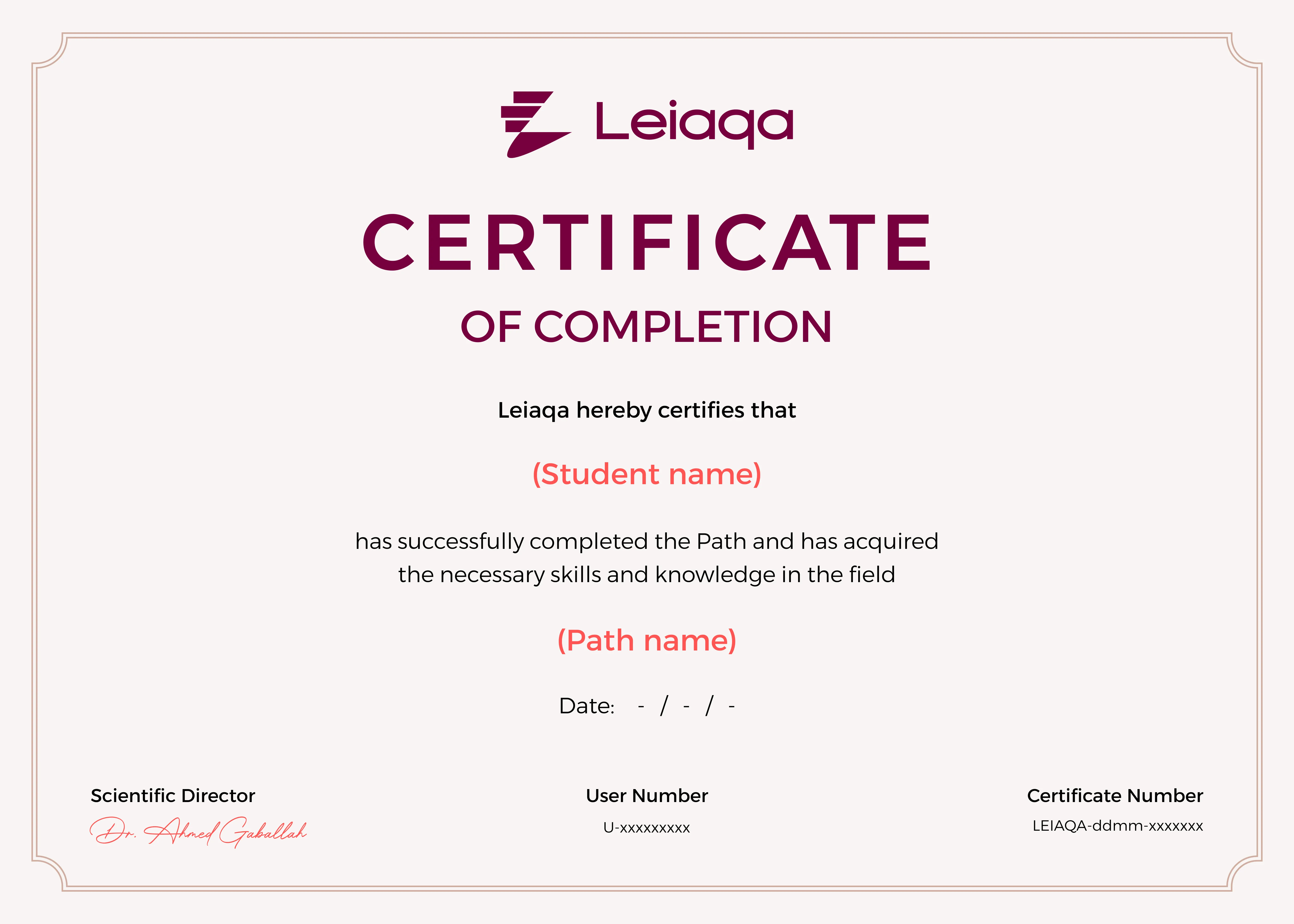
Get certified
Add this certification to your resume to demonstrate your skills and increase your chances of getting noticed.
lecturer
Dr\ Osama Mahran
Clinical nutritionist
Pharmacist and Sports Nutrition & Weight Management Specialist. He is an international lecturer for several professional certifications in sports nutrition. He also works as a Sports Nutrition Consultant, providing nutritional guidance to a number of football players competing in the Egyptian Premier League, as well as professional athletes across the Arab world.
Dr\ Ayman Shehata
Sports nutritionist
Associate Professor of Sports Nutrition and Exercise Physiology at Mansoura University. He also serves as a Nutrition Consultant for the Egyptian National Judo and Athletics Teams, specializing in sports nutrition and its applications to support physical and athletic performance.
Dr\ Mostafa Hassan
Sports nutritionist
Sports Nutrition Specialist for Zamalek SC's First Football Team and an International Olympic Committee (IOC)-certified Sports Nutrition Specialist. He is also a lecturer in the Postgraduate Diploma in Clinical Nutrition at the Faculty of Pharmacy, Cairo University. Additionally, he served as the Sports Nutrition Specialist for the Egyptian Taekwondo Team that qualified for the Paris 2024 Olympic Games and worked as a Nutrition Specialist for Egypt's national karate teams from 2021 to 2024.
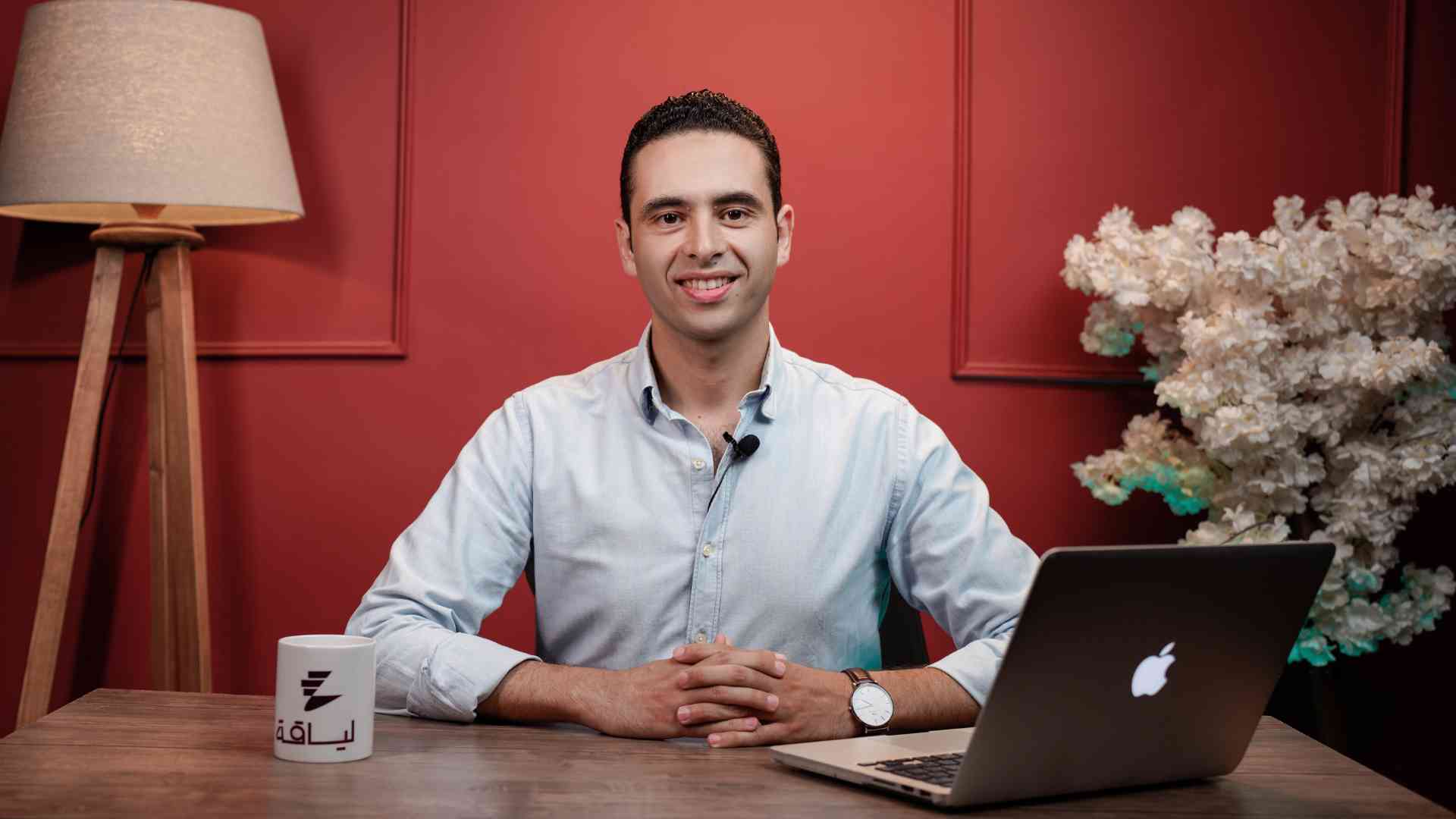
Dr\ Mohamed Elmoghany
Strength and conditioning coach
Professor of Sports Training, holding a PhD from Texas University, USA. He serves as Managing Editor of the Scientific Journal of Sports Sciences and has over ten years of experience in training load planning and physical fitness. He is also a lecturer for the African Federation and works as a physical conditioning and training load planner for teams competing in the Egyptian Premier Basketball League.
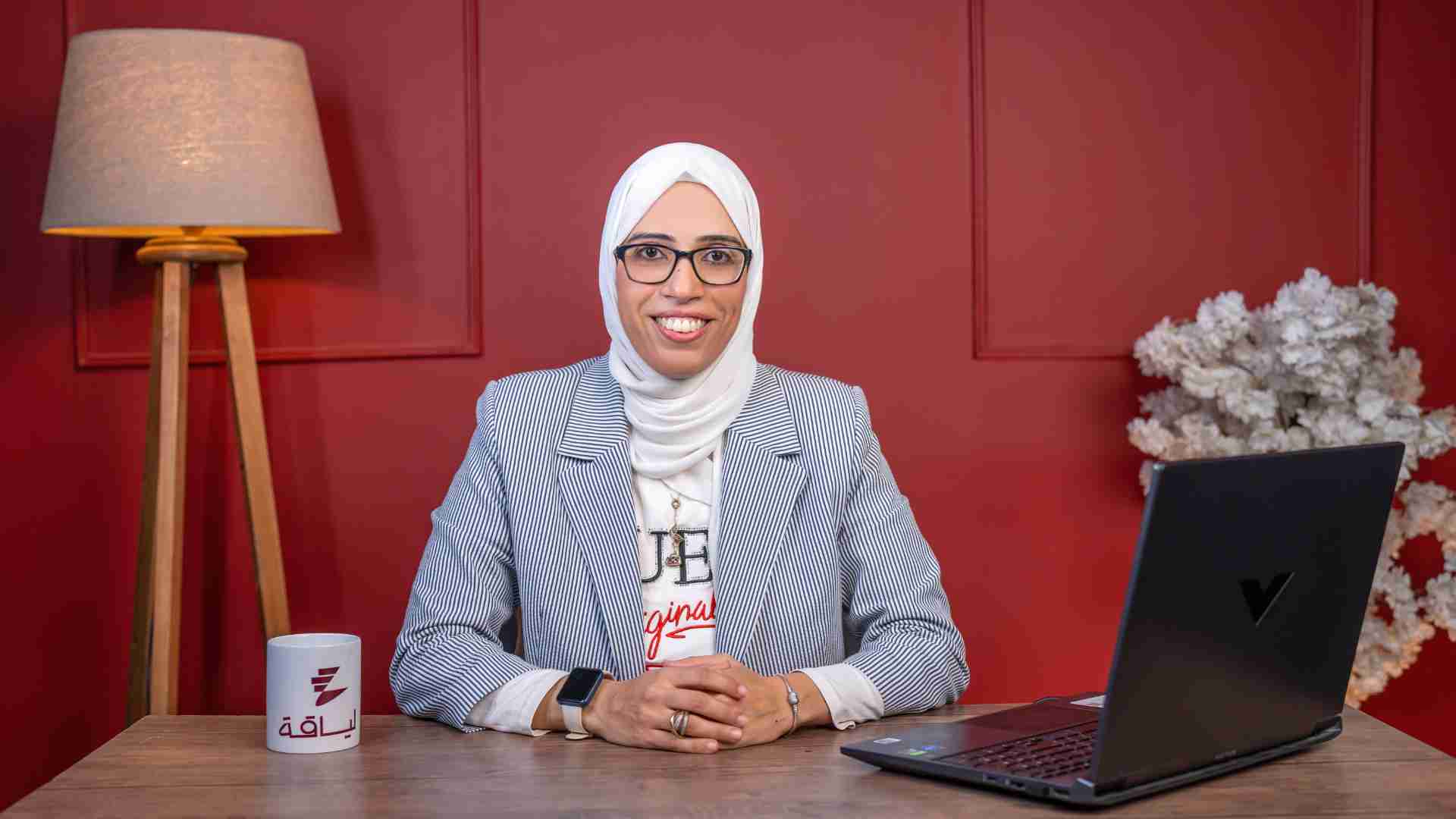
Dr\ Rehab Elshenawy
Diabetes health and recovery specialist
Therapeutic Nutrition Specialist and Certified Health Coach accredited by the International Coaching Federation (ICF). She is the author of “A Journey to Balance: A Life Without Sugar” and an internationally certified lecturer, specializing in nutrition and health education.
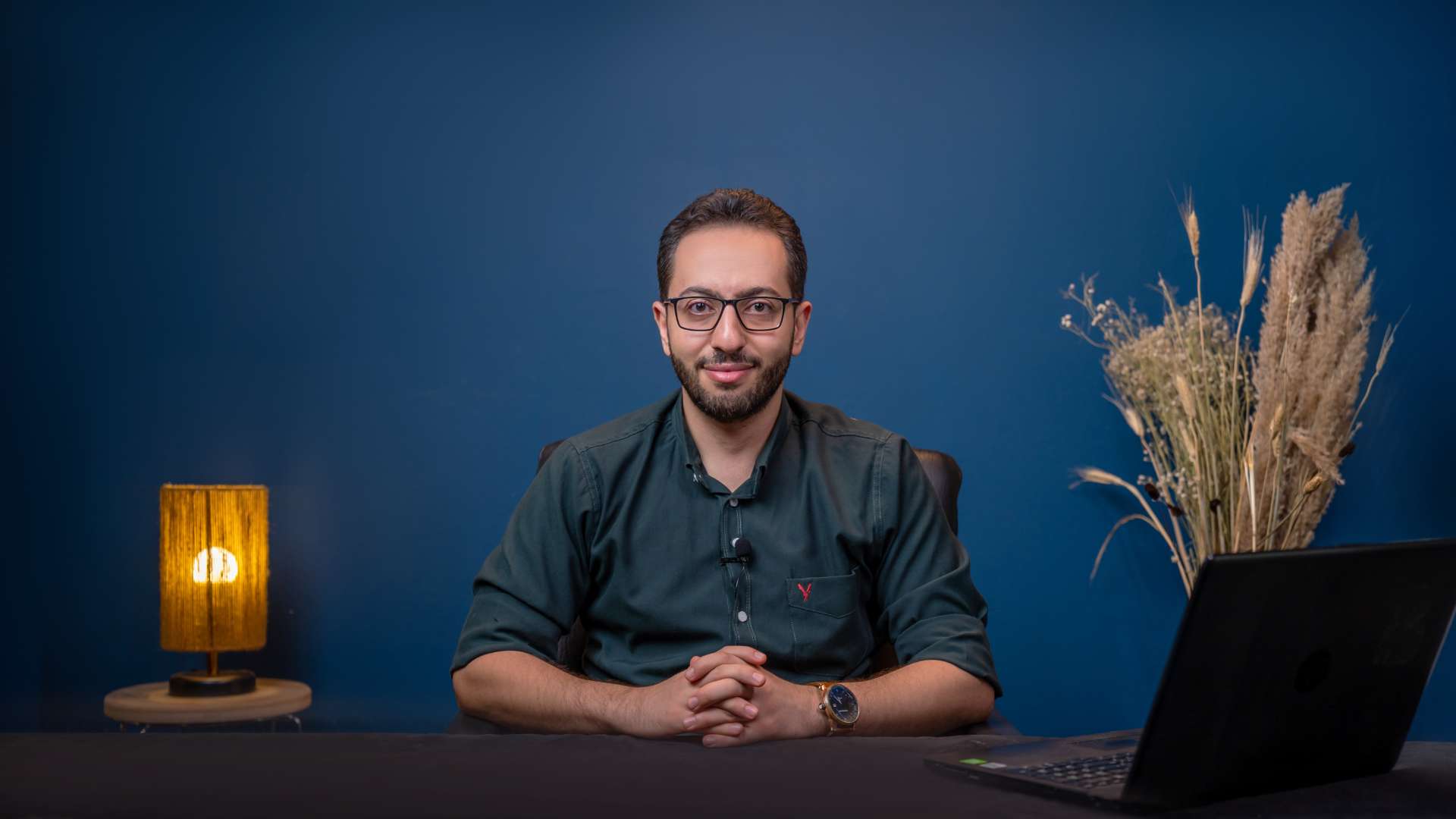
Dr\ Yossam Lotfy
Clinical nutritionist
Clinical Nutrition Specialist, holding a Master's degree in Clinical and Therapeutic Nutrition from Suez Canal University, as well as a Diploma in Clinical Nutrition. He is also a member of the International Society of Sports Nutrition (ISSN).

Dr\ Basma Hamdy
Wellness specialist
Assistant Lecturer in Nutrition at Cairo University and an international lecturer specializing in clinical nutrition, sports nutrition, and nutrition for people with diabetes. He delivers lectures and educational programs in these fields at several international and Egyptian academies.

Dr / Ahmed Gaballah
Sports injury and rehabilitation specialist
Professor of Sports Injuries and Rehabilitation at the Faculty of Sport Sciences, holding a PhD in Sports Injuries from Utah State University. He has professional experience in sports rehabilitation and physical conditioning, having served as Head of the Rehabilitation and Injury Team at Future FC in the Egyptian Premier League and worked as a Rehabilitation and Physical Conditioning Specialist at Al Masry SC.
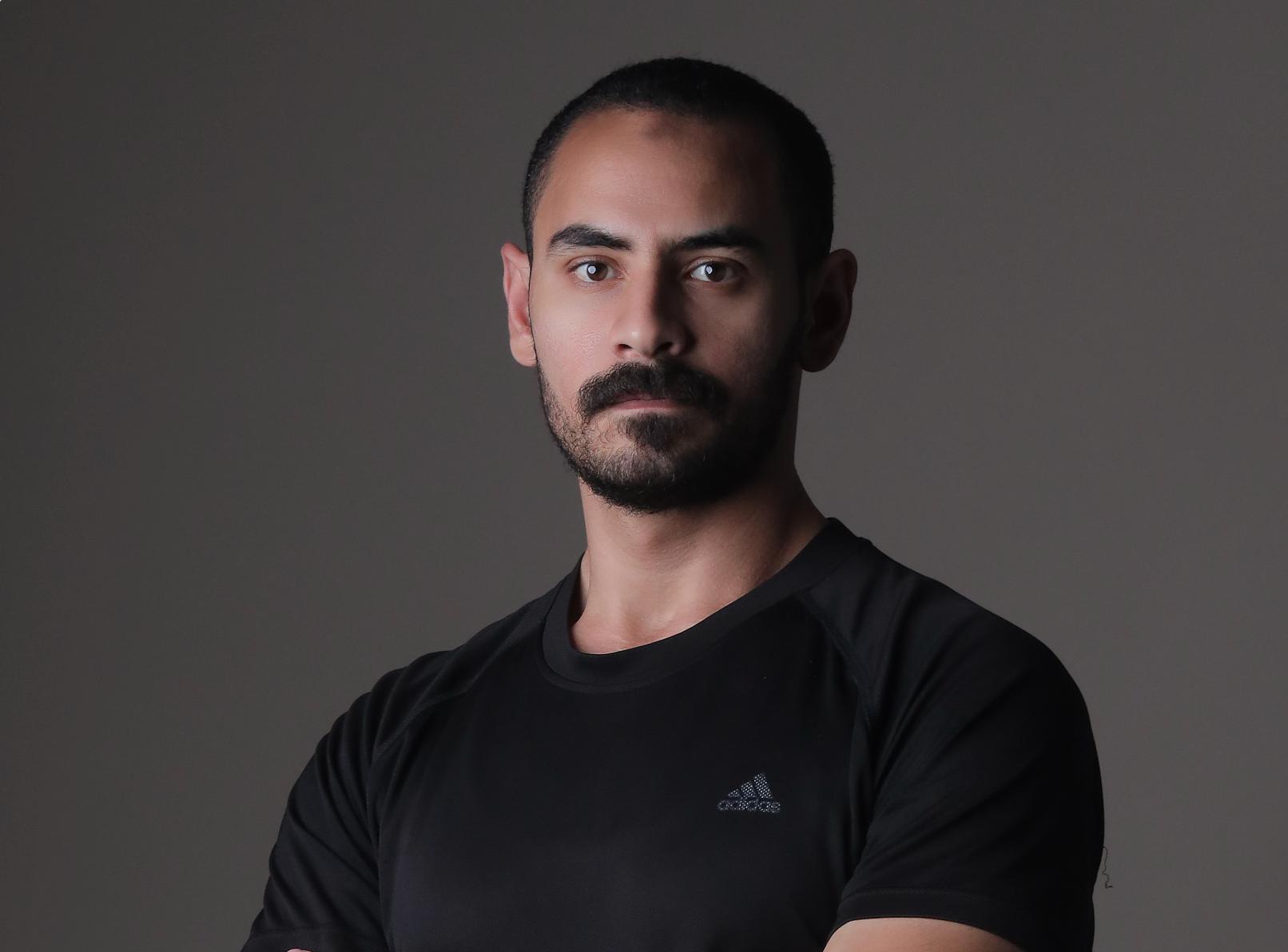
Dr\ Ahmed Ellawendy
Fitness expert
Member of the faculty of physical education and a certified international lecturer in the field of physical fitness.
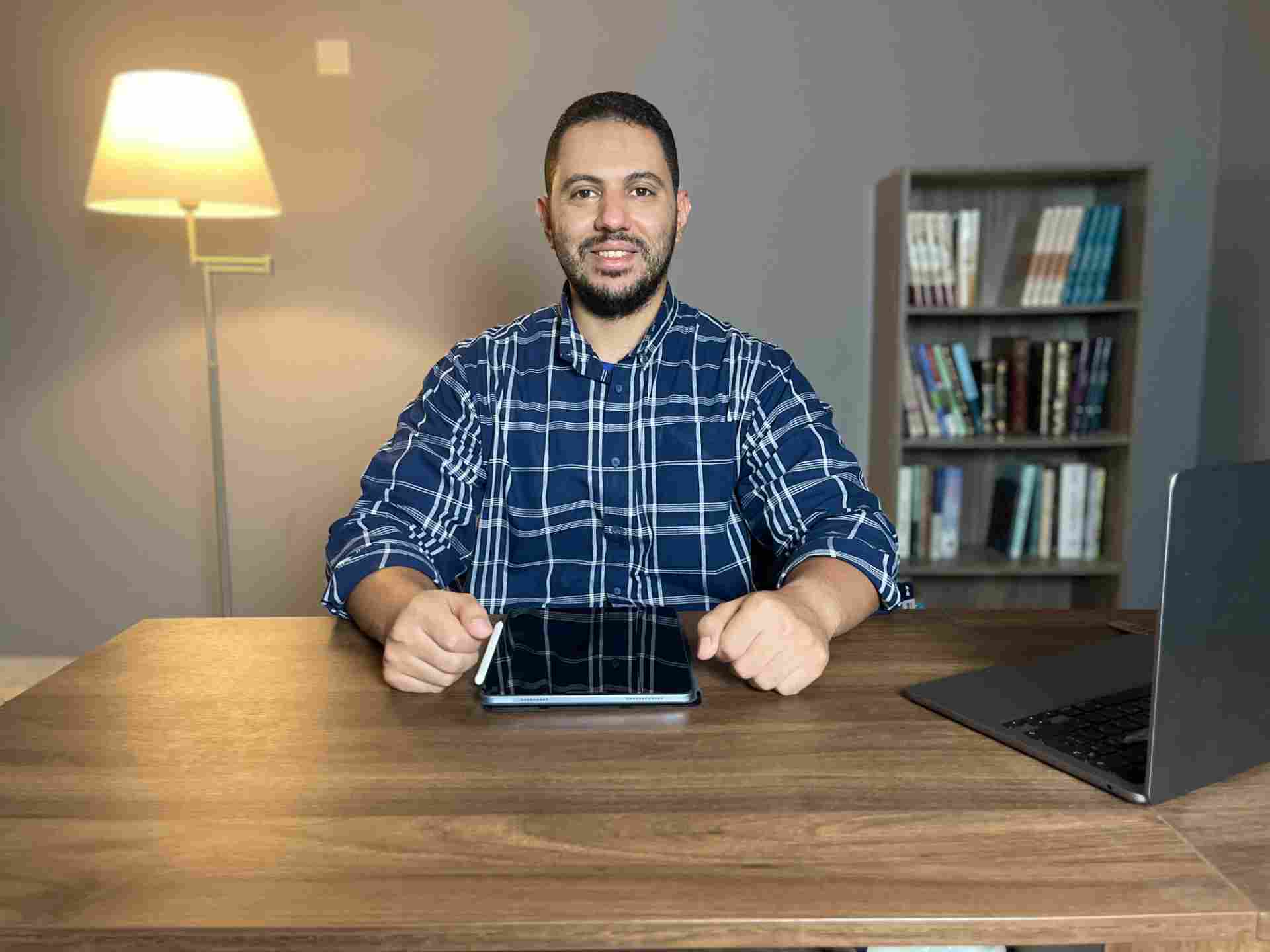
Dr\ Ahmed Elhawary
Physical therapy consultant
Physical Therapy Consultant, holding a Bachelor's degree in Physical Therapy from Cairo University (2010) and a Professional Doctorate in Physical Therapy for Orthopedic Injuries from the Faculty of Physical Therapy, Cairo University.
He is also a certified trainer in Special Populations from the American Council on Exercise (ACE) and a certified Sports Nutrition Specialist from the International Sports Sciences Association (ISSA).
More paths you might like
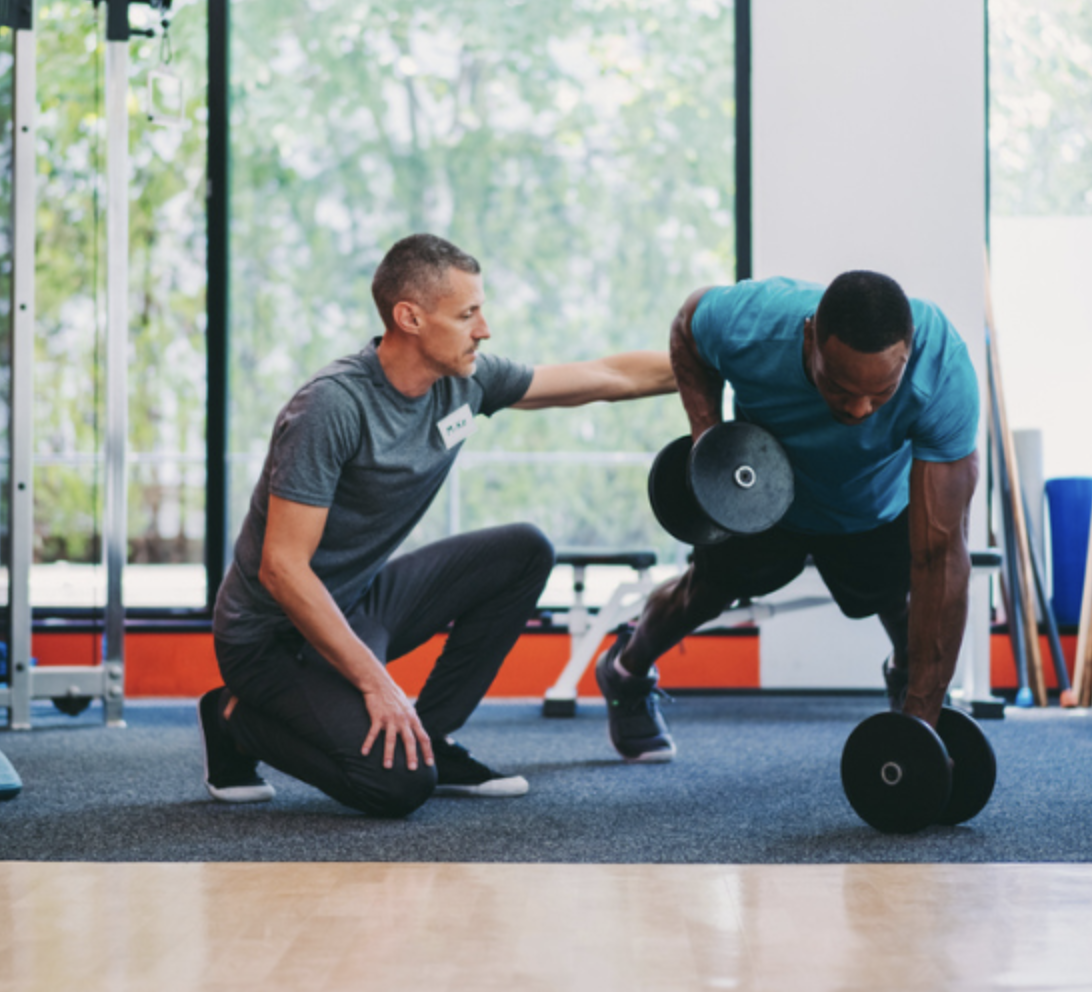
Fitness
Personal training fundamentals
Dr\ Basma Hamdy, Dr\ Osama Mahran, Dr\ Yossam Lotfy
EGP 7,599
EGP 5,799

Nutrition
Nutrition for professional athletes
Dr\ Osama Mahran, Dr\ Mostafa Hassan, Dr\ Yossam Lotfy, Dr\ Ayman Shehata, Dr\ Basma Hamdy
EGP 8,100
EGP 6,999

Nutrition
Types of diet and calorie counting
Dr\ Mohamed Badr, Dr\ Mohamed Abdelsattar, Dr\ Yossam Lotfy, Dr\ Abdallah Haredi, Dr\ Mohamed Elmoghany
EGP 5,300
EGP 3,710