Yoga or Pilates?

September 14, 2025
Amazing Benefits for the Human Body.
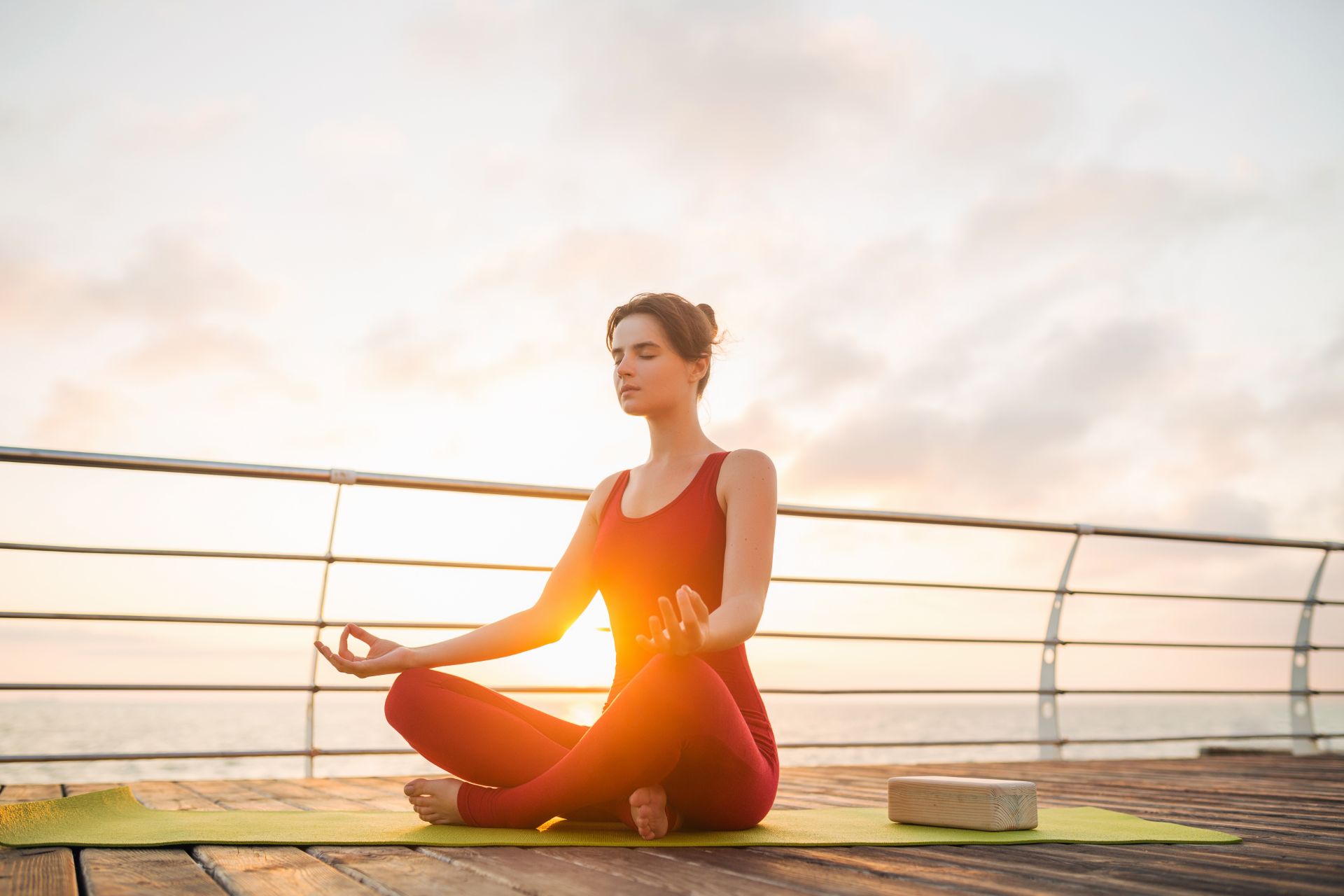
Yoga is a set of ancient spiritual rituals with its origins in India. It is a physical and mental practice that includes a series of physical postures, breathing techniques, and meditation. It aims to achieve balance between the body, mind, and spirit, with a profound effect on improving physical and mental health.
Breathing Exercises: You should start by breathing through your nose with your mouth closed, and you must dismiss all bad thoughts during this process. Relax and focus only on your breaths as you inhale and exhale. Feel the bad energies in your body leaving and positive energies entering instead.
Physical Exercises: After the breathing exercises, you should start with movements. During the movements, listen carefully to your body and respect your soul, and let it guide you.
Rest: After the physical exercises and movements are finished, move on to relaxation and meditation. Rest in a quiet environment and try to feel healed from the exercises.
Types of Yoga
Yoga includes many styles that differ in their methods and goals, as individuals can choose the style that suits their health or athletic needs. These are some of the most famous types of yoga practice:
Yin Yoga: A meditative and restorative style that focuses on holding static postures for a period ranging from three to seven minutes, with an emphasis on deep breathing and calming the body and mind. It is practiced in sitting or lying positions and aims for deep relaxation of the body's connective tissue, which enhances its flexibility and reduces muscle tension. This style is suitable for beginners due to its ease and benefits in building flexibility and mental and physical relaxation.
Ashtanga Yoga: This is a power yoga that focuses on strong movements that require physical strength and endurance. It relies on performing a series of postures sequentially and quickly, which helps in building strength and flexibility. This style is suitable for people with back injuries or athletes such as runners and cyclists, as it increases flexibility and improves physical balance. This type of yoga is considered more challenging and enhances overall physical fitness.
Bikram Yoga: This is a hot yoga that is practiced in a warm room to increase body flexibility by stretching tissues. The heat helps facilitate postures and stimulate deep relaxation. However, despite its benefits in improving flexibility, it is not recommended for people with heart disease or vascular problems due to the stress caused by high heat on the body.
Hatha Yoga: This is a basic and popular style of yoga that relies on a series of postures that enhance the flow of internal energy, with a focus on balancing strength and flexibility. It helps in improving physical balance, increasing activity and vitality, developing muscle strength, and improving joint flexibility. It is suitable for beginners and advanced practitioners who wish to enhance their overall health and mental and physical balance.
Benefits of Yoga
Improved Flexibility: It helps increase body flexibility through continuous stretching of muscles and joints, as different postures help reduce muscle tension and improve range of motion.
Increased Physical Strength: Yoga exercises strengthen the main muscles in the body, including the deep muscles, which helps in building balanced physical strength.
Improved Breathing and Deep Breathing: Yoga focuses on deep breathing techniques, which enhances the ability to control breathing and contributes to improving lung health and increasing oxygen levels in the body.
Reduced Stress and Anxiety: Deep breathing techniques and meditation help reduce stress and anxiety levels, as yoga promotes mental relaxation and improves overall mental health.
Enhanced Mental and Emotional Balance: Through meditation and focusing on breathing, yoga helps increase self-awareness and emotional balance, which contributes to improving mood and dealing with life's pressures.
Improved Heart and Circulatory Health: Some types of yoga help enhance circulation and improve the health of the heart and blood vessels, thanks to regular physical exercises.
Increased Energy and Vitality: Practicing yoga regularly improves energy levels in the body, which makes a person feel active and alert throughout the day.
Improved Sleep Quality: Yoga helps improve sleep quality through relaxation and meditation techniques, which reduces anxiety and increases comfort during sleep.
Reduced Chronic Pain: Yoga can contribute to alleviating back, neck, and joint pain, especially for those who suffer from muscle tension or chronic health problems.
What is Pilates?
It is a physical exercise sport that focuses on strengthening the body and improving its flexibility and balance. It aims to improve posture and the ability to control movement. It consists of low-impact movements for endurance, muscle strengthening, and flexibility. It was developed by the German Joseph Pilates in the early twentieth century. This sport is considered a combination of strength exercise techniques, relaxation, and breath control. Pilates uses a combination of 50 repeated exercises to stimulate muscle effort. There are "five fundamentals" for each exercise: breathing, correct neck alignment, stabilizing the ribs and shoulders, pelvic movement flexibility, and using the transverse abdominal muscle. Each exercise is usually repeated three to five times.
Types of Pilates Exercises
The most important and most common types of Pilates exercises are:
Classical Pilates: Classical Pilates exercises combine the use of a mat and various equipment. These exercises focus specifically on strengthening the pelvic area and lower back. They also work to improve the position of the head, neck, and shoulders. They help improve balance and core strength and are ideal for people who prefer a fixed routine in their exercises.
Mat Pilates: In this type of exercise, movements are performed on a mat only without using additional equipment. Mat Pilates exercises focus primarily on strengthening the torso, which makes them ideal for people who suffer from back pain or balance disorders. They enhance core strength and improve muscular coordination and rely on the same basic principles as classical Pilates exercises.
Contemporary Pilates: Contemporary Pilates exercises draw their ideas from classical Pilates but with some simple differences in style, as these exercises vary from one trainer to another and are modified as needed. These exercises focus on kinetic rehabilitation and help improve body flexibility and overall health.
Winsor Pilates: Winsor Pilates exercises are very similar to classical Pilates but with a greater focus on weight loss and body shaping. These exercises are performed in a different order to achieve maximum benefit in a short period. They help shape the body and burn fat, and the exercises last for a short duration (about 20 minutes), which makes them suitable for beginners. These exercises include 13 movements on the mat.
Stott Pilates: Stott Pilates exercises are a type of movement that focuses on reducing pressure on the neck and back while maintaining the natural position of the lower spine. Some tools such as Swiss balls and foam rollers are added to support the traditional principles of Pilates. They work to strengthen the body, improve balance, and reduce the risks associated with putting pressure on the body during exercise, making them ideal for those who seek to improve their posture and overall movement.
Reformer Pilates: In this type of exercise, a special device called a "Reformer" is used, which resembles a bed equipped with spring straps. Exercises similar to those performed on the mat are carried out but with the addition of extra resistance. These exercises help improve physical strength and burn more calories due to the additional resistance. These exercises are suitable for those who seek to lose weight and improve posture and are directed at experienced people.
Benefits of Pilates
Improved Core Strength: Pilates exercises focus heavily on strengthening core muscles such as the abdominal, back, and pelvic muscles. These muscles are pivotal for general body support and improving balance.
Increased Flexibility: Pilates exercises help improve body flexibility through stretching and controlling movement. They work to stretch muscles and joints, which reduces stiffness and increases the range of motion.
Improved Balance and Coordination: Pilates exercises require high coordination between the body and mind, which helps improve the body's internal balance and strengthen the ability to control movements accurately.
Reduced Back Pain: Pilates exercises help strengthen back muscles and improve body posture, and this can be beneficial in alleviating chronic back pain and increasing spinal stability.
Enhanced Posture: Pilates exercises contribute to improving body posture by strengthening the muscles that support the spine, which helps prevent body deformities such as back curvature or lack of straightness.
Injury Prevention: Pilates works to strengthen muscles and increase flexibility, which reduces the risk of injuries resulting from incorrect movement or overuse, especially for athletes or people who suffer from muscle strain.
Improved Athletic Performance: Practitioners of other sports can benefit from Pilates exercises in enhancing physical performance, especially in sports that require strength and flexibility such as tennis, running, and yoga.
Enhanced Mental Health: Pilates exercises contribute to reducing stress and psychological pressure through concentration and deep breathing, which helps improve mental health and a general feeling of comfort.
Achieving a Balance Between Strength and Flexibility: Pilates balances strengthening muscles and increasing their flexibility, which helps maintain the health of joints and ligaments and makes the body more capable of adapting to daily activities.
Conclusion
Yoga and Pilates are two sports that complement each other by improving physical strength, flexibility, balance, and mental health. Combining the two sports can be very beneficial for the body and mind, helping to improve athletic performance, strengthen core muscles, and reduce stress. Whether you are a beginner or not, combining yoga and Pilates is an ideal option for comprehensively improving quality of life.
Yoga
Pilates
Lifestyle
Wellness and immunity.
Leiaqa
Benefits
More articles you might like

September 15, 2025
Stevia and its relationship with insulin resistance
September 14, 2025
Chlorophyll water: a natural drink

August 28, 2025