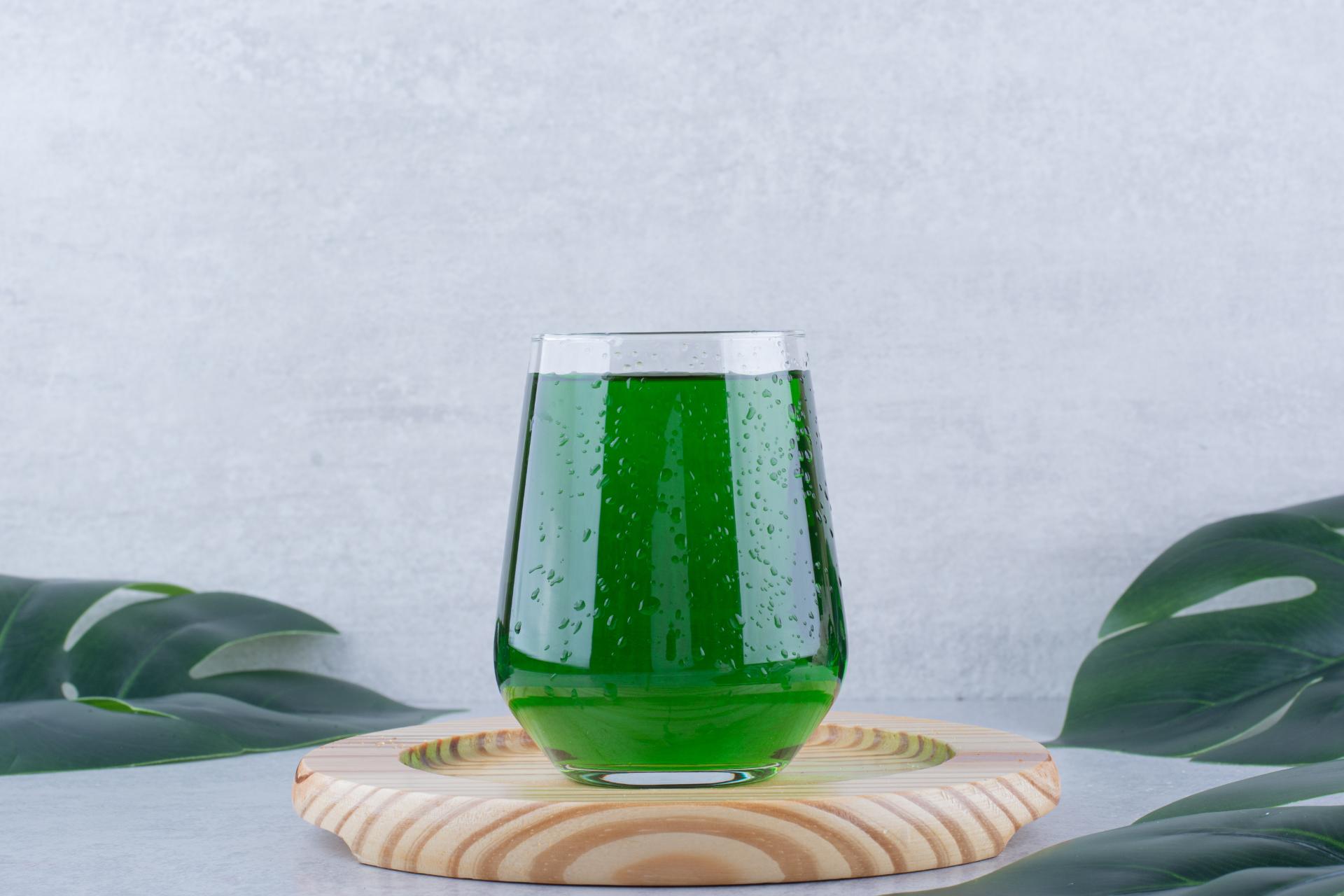
Chlorophyll water: a natural drink

September 14, 2025
Its Relationship with Health and Energy
Chlorophyll is one of the most important pigments found in various plants. As the green pigment in plant cells, it is considered the main factor in the process of photosynthesis. Through this process, chlorophyll absorbs light, especially red and blue light, and converts solar energy into chemical energy that the plant uses for its growth and nutrition.
Chlorophyll and Its Uses in Medicine
Treating Skin Ulcers: Chlorophyll can be used as an ointment on the skin to treat sores caused by the herpes simplex virus.
Supporting Cancer Treatment: Chlorophyll is injected intravenously with other medications to help treat skin and lung cancer.
Wound Healing: It enhances the wound healing process and supports tissue regeneration.
Improving Oral Health: It helps alleviate bad breath due to its antiseptic properties.
Treating Constipation: It is used to improve bowel movements and treat constipation.
Detoxifying the Body: It helps remove toxins from the body, which contributes to improving overall health.
Anti-inflammatory: Chlorophyll has anti-inflammatory properties that help reduce swelling and pain.
Supporting the Immune System: It boosts the body's ability to resist diseases thanks to the antioxidants it contains.
Benefits of Chlorophyll
Supporting Heart Health: Some studies suggest that chlorophyll may help reduce bad cholesterol levels in the body, which promotes heart health.
Antibacterial and Antifungal: Thanks to its antiseptic properties, chlorophyll helps combat bacterial and fungal infections.
Balancing Oxygen Levels: It helps improve the transport of oxygen to the body's cells, which enhances the ability of tissues to perform their functions effectively.
Improving Digestion: It enhances bowel movements and contributes to treating constipation and improving the overall health of the digestive system.
Improving Skin Health: It helps treat skin inflammations and acne, and works to soothe irritated skin and improve its appearance.
Combating Inflammation: Chlorophyll contains anti-inflammatory properties, which helps reduce swelling and pain in inflammatory conditions such as arthritis.
Combating Bad Breath: Chlorophyll has antibacterial properties that help improve oral health to reduce bad breath.
Increasing Energy Levels: It helps boost energy levels in the body, which contributes to improving physical and mental performance.
Boosting the Immune System: Chlorophyll contains powerful antioxidants that boost the immune system, helping athletes maintain their health and reduce the chance of getting sick, which might hinder their training.
Weight Loss: It helps get rid of excess body fat and improves metabolism and fluid balance.
Eliminating Colon Problems: It helps eliminate toxins in the body, which helps improve colon function.
Chlorophyll Side Effects
Skin Allergy and Irritation: Some people may experience allergic reactions to chlorophyll, such as rashes, swelling, or itching. These reactions are caused by sensitivity to the plants from which chlorophyll is extracted, such as alfalfa or barley.
Digestive System Disorders: In some cases, consuming chlorophyll may cause digestive problems such as gas, intestinal cramps, diarrhea, or bloating, especially if consumed in large quantities.
Drug Interactions: Chlorophyll may interfere with some medications.
Green Color of Urine and Stool: Consuming chlorophyll can change the color of urine or stool to green. This change is not harmful but may be surprising to people who do not know about it.
Chlorophyll Poisoning: If chlorophyll supplements are consumed in very large quantities or without medical supervision, poisoning may occur due to the accumulation of certain compounds such as modified chlorophyll or added chemicals in some commercial products.
Effects on Drug Absorption: Chlorophyll may interfere with the process of absorbing some medications in the intestines, which reduces their effectiveness. It is important to monitor its use in parallel with other medications.
Chlorophyll, Sports, and Its Relationship with Athletic Performance
Chlorophyll water has become popular among athletes and health enthusiasts because of its potential benefits in improving athletic performance and promoting recovery after exercise. Its most important benefits include:
Increased Energy Levels: Chlorophyll helps boost energy levels in the body by improving the transport of oxygen to cells. This contributes to increased endurance and performance during exercise.
Improved Blood Oxygenation: Chlorophyll is similar in structure to hemoglobin (which carries oxygen in the blood), which helps enhance the blood's ability to carry oxygen more efficiently to the muscles during exercise, thus improving athletic performance and increasing endurance.
Reduced Inflammation and Swelling: Through its anti-inflammatory properties, chlorophyll may help reduce inflammation resulting from physical exertion, such as swelling or muscle pain after exercise. This contributes to reducing recovery time.
Enhanced Recovery After Exercise: Chlorophyll helps reduce stress resulting from intense exercise, and its ability to remove toxins from the body can contribute to accelerated recovery and muscle regeneration.
Improved Digestion and General Health: Good digestion is an essential part of an athlete's performance. Chlorophyll enhances bowel movements and acts as a natural antiseptic for the digestive system, which helps athletes maintain digestive health and get the most out of their diet.
Improved Hydration: Some athletes use chlorophyll water to enhance hydration. While chlorophyll itself is not a substitute for traditional sports drinks that contain electrolytes, improving oxygen levels may contribute to maintaining energy levels and hydration during exercise.
Strengthened Immunity: Chlorophyll contains powerful antioxidants that boost the immune system, helping athletes maintain their health and reduce the chance of getting sick, which might hinder their training.
Damages
Energy
Chlorophyll
Benefits
Immunity
More articles you might like

September 15, 2025
Stevia and its relationship with insulin resistance

September 14, 2025
Yoga or Pilates?

August 28, 2025