Healthy fats and their impact on athletes

September 14, 2025
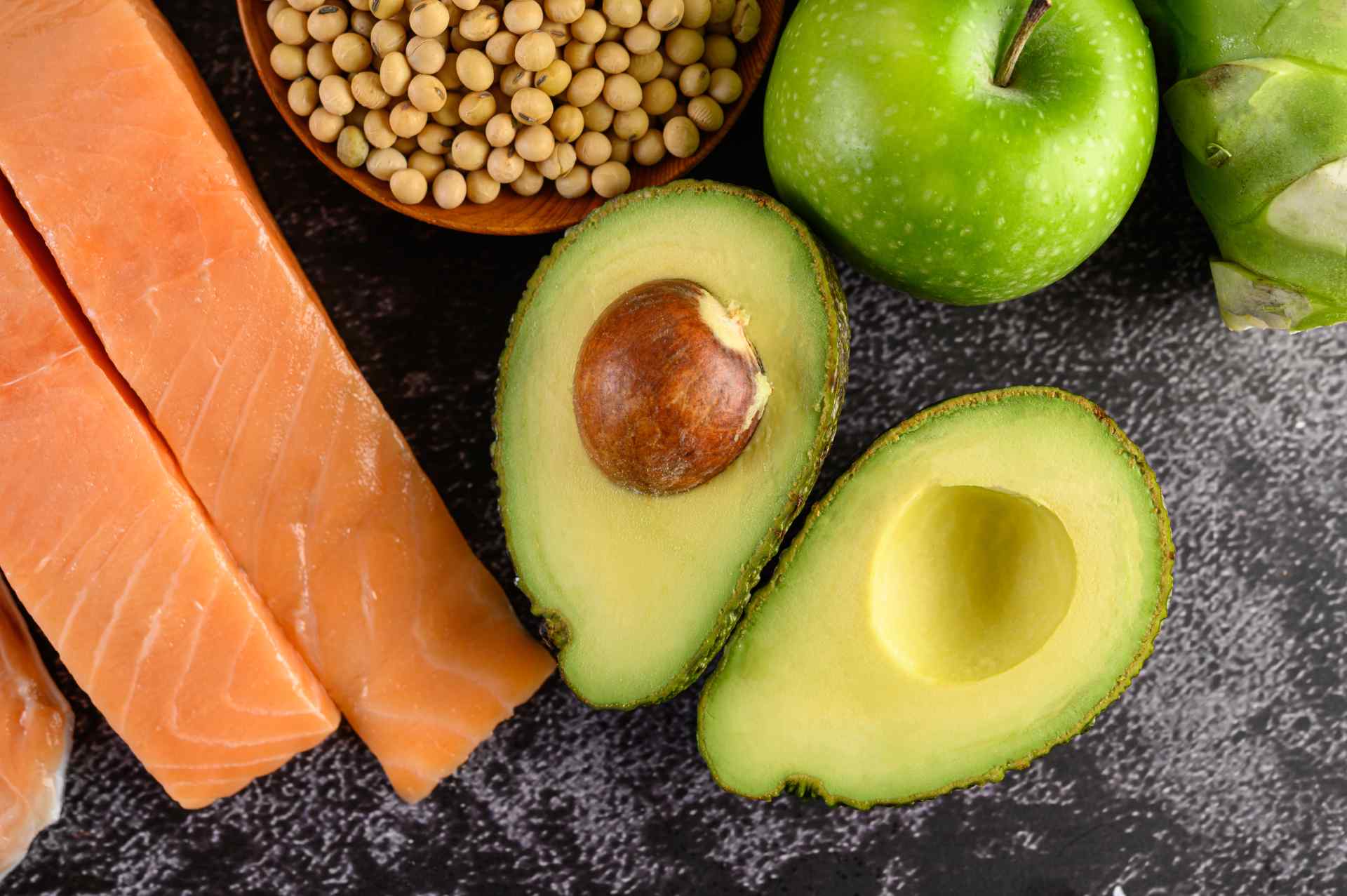
Their Benefits and Importance in Improving Physical Fitness
Fats are also known as "fatty acids" or "triglycerides," as the fats in our bodies consist of three linked molecules. This structure is called a "triglyceride." Most of the fats the body needs are synthesized internally, but there are some fats the body cannot produce and must be obtained from food. These fats are called "essential fats," as it is necessary to obtain them through food. Essential fats include omega-3 fatty acids (found in foods like fish and flaxseeds) and omega-6 fatty acids (found in foods like nuts, seeds, and corn oil).
The Difference Between Essential Fats and Triglycerides
Triglycerides consist of a glycerol molecule and three fatty acid molecules. They are stored in fat cells and used as an energy source, playing a major role in energy storage. They are broken down in the body for energy when needed. They can be saturated or unsaturated, and their health properties vary depending on the type of fatty acids. Essential fats are fatty acids that the body cannot synthesize and must be obtained from food. They include omega-3 and omega-6 fatty acids, which are essential for supporting heart and brain function, hormone production, and aiding in the absorption of fat-soluble vitamins (A, D, E, K). They are indispensable due to their necessity in maintaining general health.
The Importance of Fats for the Body
Energy Source: Fats are a primary source of energy for the body, providing twice the energy of carbohydrates and proteins.
Supporting Cardiovascular Health: Healthy fats like omega-3 and omega-6 fatty acids help reduce inflammation and improve cholesterol levels, thereby promoting cardiovascular health.
Supporting Brain Function: Fats are a fundamental component in the structure of brain cells and help maintain cognitive functions such as memory and thinking.
Vitamin Absorption: Fats play an important role in the absorption of fat-soluble vitamins (such as vitamins A, D, E, and K) that help maintain various bodily functions.
Improving Nutrient Absorption: Some fats help improve the absorption of important nutrients like vitamins that the body cannot absorb effectively without fats.
What Are Healthy Fats?
Healthy fats are a type of fat considered beneficial for the body when consumed in moderation. They are essential for performing many vital bodily functions, such as supporting heart and brain health. There are two main types:
Monounsaturated Fats: Their benefits include improving heart health by helping reduce bad cholesterol levels in the blood, which lowers the risk of heart and artery diseases. They may also contribute to reducing high blood pressure, which helps improve vascular health. Furthermore, they are beneficial for brain health, as they can enhance cognitive functions and memory, and they have anti-inflammatory properties that help reduce inflammation, thus lowering the risk of chronic diseases like arthritis.
Sources: Olive oil, avocados, nuts, sesame oil, and peanut butter.
Polyunsaturated Fats: Their benefits include improving heart health by helping reduce the risk of heart disease by lowering bad cholesterol levels and increasing good cholesterol. Omega-3 fatty acids, in particular, work to reduce chronic inflammation, which lowers the risk of chronic inflammatory diseases like arthritis and degenerative diseases. These fats are also essential for brain health, helping to maintain good cognitive functions like memory and learning. Additionally, they help maintain skin health, reducing dryness and irritation and enhancing skin elasticity.
The Importance of Healthy Fats for Athletes
Main Energy Source: Healthy fats (such as omega-3 and omega-6 fatty acids and monounsaturated fats) provide a long-term source of energy, especially for activities that require sustained energy like long-distance running and cycling.
Improved Mental Performance and Focus: Healthy fats, especially omega-3 fatty acids, play a major role in improving mental functions such as focus and decision-making.
Supporting Recovery and Reducing Inflammation: Omega-3 fatty acids found in fatty fish and nuts can reduce inflammation and contribute to faster recovery after intense exercise or injury.
Cardiovascular Health: Healthy fats like olive oil and nuts can help reduce the risk of heart disease by improving cholesterol levels and increasing vascular elasticity.
Enhancing the Absorption of Essential Vitamins: Healthy fats are necessary for the absorption of fat-soluble vitamins such as A, D, E, and K, which support immunity, bone health, and vision.
Improving Muscle and Hormone Function: Healthy fats contribute to the production of hormones such as testosterone and growth hormones, which helps in muscle growth and strength increase.
Fitness
Fats
Wellness
Benefits
Leiaqa
More articles you might like

August 28, 2025
Benefits of Ashwagandha for athletes

November 11, 2025
Plant-based nutrition and its role in enhancing athletic performance and health

January 5, 2026